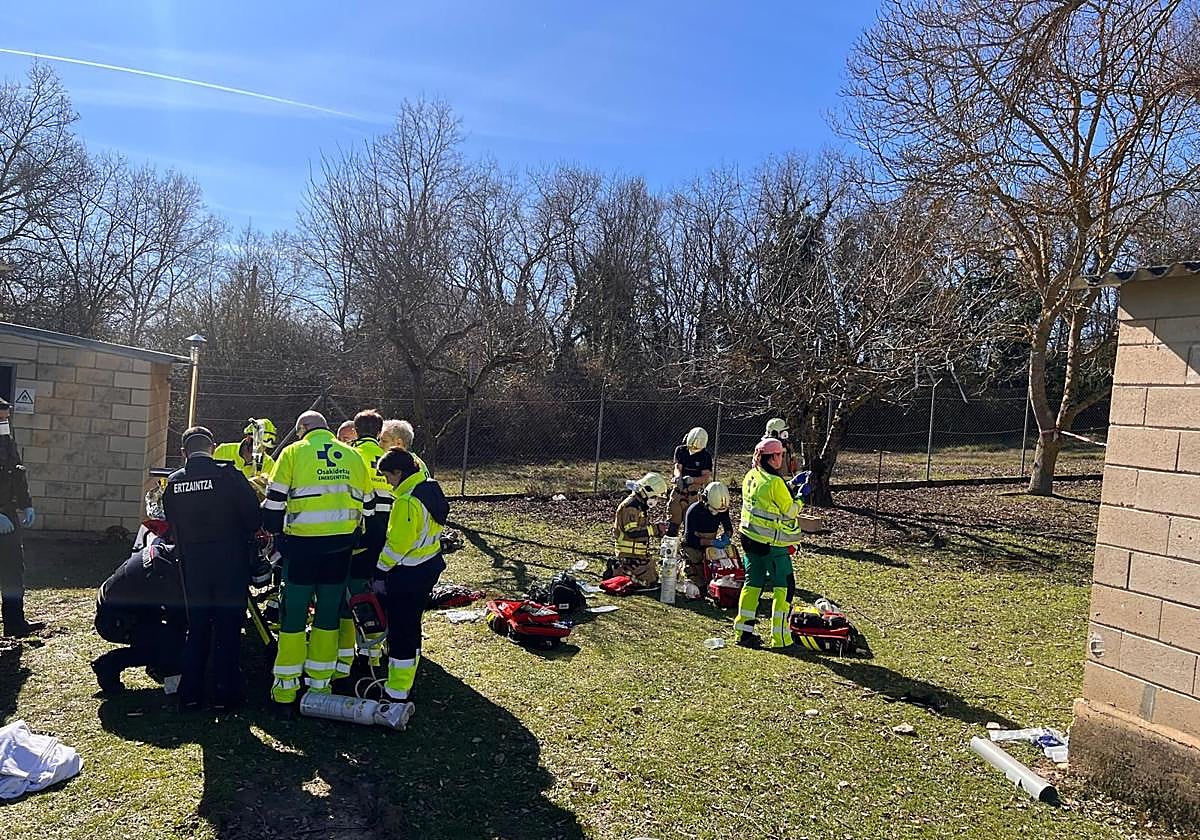
Lantarón Fireworks Explosion: Navigating Data Gaps in Critical Incident Reporting
The phrase explosión pirotecnia Lantarón conjures immediate images of a dramatic, potentially tragic event. For communities, authorities, and journalists alike, such incidents demand swift, accurate, and comprehensive reporting. Yet, in the immediate aftermath of any critical incident, reliable information is often scarce, fragmented, or even contradictory. This inherent challenge creates significant data gaps that complicate understanding, hinder effective response, and can leave the public anxious and misinformed. Our aim here is to explore these critical data gaps, analyze their implications, and outline a framework for more robust future reporting, particularly concerning an event like an explosión pirotecnia Lantarón, where initial details might be hard to ascertain.
The very nature of an unexpected explosion, especially one involving fireworks (pirotecnia), is one of chaos and immediate danger. The priority for first responders is always safety and containment, not information dissemination. This initial focus, while entirely appropriate, inevitably contributes to the initial scarcity of confirmed facts. Understanding this dynamic is the first step towards bridging the information chasm that often follows such dramatic events.
The Elusive Narrative: Why Information Gaps Persist After an Explosión Pirotecnia
When an event like an explosión pirotecnia Lantarón occurs, the initial narrative is often pieced together from eyewitness accounts, emergency service dispatches, and speculative reports. The challenges in obtaining concrete, verifiable data are multi-faceted:
- Immediate Aftermath Chaos: The scene of an explosion is inherently dangerous and dynamic. First responders are focused on saving lives, securing the area, and mitigating further risks. Information gathering, while important, is secondary to these immediate operational priorities.
- Ongoing Investigations: Authorities, including police, fire marshals, and regulatory bodies, launch investigations to determine the cause, origin, and extent of damage. These investigations are meticulous, often protracted, and information is frequently withheld from the public domain to protect the integrity of the inquiry. Premature disclosure could compromise evidence or witness testimonies.
- Privacy Concerns and Sensitivity: Incidents involving injuries or fatalities require extreme sensitivity regarding personal details. The privacy of victims and their families is paramount, leading to careful, often delayed, release of specific information.
- Disinformation and Speculation: In the absence of official updates, rumor mills and social media speculation can run rampant. This contributes to a fog of war-like environment for information, making it difficult for the public to discern truth from fiction.
- Local vs. National Reporting: Initially, reporting might be highly localized, with limited reach beyond the immediate vicinity. National or international media might struggle to gain access or verify details quickly, especially if the event occurs in a remote or less-connected area. This can be a particular challenge when trying to understand the full scope of an incident like an explosión pirotecnia Lantarón, which might initially only be discussed within specific local news channels or community groups. For a deeper dive into the immediate quest for information, you might find Explosión Pirotecnia Lantarón: The Search for Uncovered Facts insightful.
These factors collectively contribute to a situation where the initial picture of an event is often incomplete, making it difficult for stakeholders to respond effectively and for the public to fully grasp the situation.
Understanding the Multifaceted Impact of an Explosión Pirotecnia Lantarón
Beyond the immediate physical damage and potential casualties, an explosión pirotecnia Lantarón would inevitably have a ripple effect across the affected community. Analyzing these potential impacts, even in the context of limited data, helps us understand the broader significance of accurate reporting.
- Human Toll: The most significant impact is always on human lives – injuries, fatalities, and psychological trauma. The long-term effects of trauma, including PTSD, can affect individuals and communities for years.
- Property Damage and Economic Disruption: Fireworks explosions can cause extensive structural damage to buildings, infrastructure, and local businesses. This leads to significant economic losses, displacement, and disruption of daily life. Local economies, particularly those reliant on tourism or specific industries, could face severe setbacks.
- Environmental Concerns: Explosions can release hazardous materials, cause air pollution, and necessitate complex clean-up operations, posing environmental risks to the area.
- Regulatory Scrutiny and Public Trust: Such incidents inevitably lead to increased scrutiny of safety regulations, licensing procedures for pyrotechnic operators, and the effectiveness of oversight bodies. A lack of transparent communication from authorities can erode public trust.
- Community Resilience and Support: While tragic, these events often highlight the strength and resilience of a community. Neighbors help neighbors, and external aid organizations step in. Accurate reporting plays a crucial role in directing support where it's most needed and celebrating acts of solidarity.
To fully grasp the implications of such an event, more than just superficial news coverage is needed; a deeper, more investigative approach is vital. This is precisely why articles such as Understanding Pirotecnia Lantarón: A Call for More Information become indispensable in the ongoing quest for clarity.
The Path Forward: Best Practices for Future Reporting and Data Collection
Mitigating data gaps and ensuring responsible reporting on incidents like the explosión pirotecnia Lantarón requires a concerted effort from all parties. Here are some best practices:
For Journalists and Media Outlets:
- Prioritize Verification: Always cross-reference information from multiple, credible sources. Avoid speculative language.
- Seek Primary Sources: Interview first responders, official spokespersons, and direct eyewitnesses (with caution and respect for their trauma).
- Provide Context: Explain *why* information might be scarce (e.g., "authorities are withholding details as part of an ongoing investigation").
- Be Sensitive and Ethical: Report on victims and their families with the utmost respect and empathy, avoiding sensationalism.
- Follow Up Diligently: Initial reports are just the beginning. Commit to long-term follow-up on investigations, recovery efforts, and community impacts.
For Authorities and Emergency Services:
- Establish Clear Communication Channels: Designate a single, authoritative spokesperson or information center. Use official websites, press conferences, and social media for consistent updates.
- Provide Timely Updates, Even if Limited: Even brief, verified statements can combat rumors. Transparency, even about what is *not yet known*, builds trust.
- Prepare for Crisis Communication: Have a pre-defined crisis communication plan that addresses information flow, media relations, and public inquiries.
- Collaborate on Data Sharing: Ensure inter-agency coordination for data collection and release, preventing conflicting reports.
For the Public and Community Members:
- Exercise Critical Information Consumption: Be wary of unverified information shared on social media. Always seek official sources.
- Support Local Journalists: Reputable local news outlets are often the first and most dedicated source of information for their communities.
- Participate Responsibly: If you have verifiable information (e.g., photos, videos), consider sharing it with authorities or trusted journalists, but avoid sharing graphic or unverified content online.
Preventing Future Tragedies: Safety, Regulation, and Public Awareness
While this discussion focuses on reporting, the ultimate goal following any explosión pirotecnia Lantarón or similar incident is prevention. Fireworks, by their very nature, are dangerous and require strict handling, storage, and deployment protocols. Future reporting should not only cover the immediate aftermath but also delve into systemic issues related to safety and regulation.
- Strict Licensing and Permitting: Ensure that all pyrotechnic operators are highly trained, certified, and operate under stringent licensing conditions. Permits for displays should be rigorously reviewed, considering location, weather conditions, and proximity to residential or sensitive areas.
- Regular Inspections and Enforcement: Proactive inspections of manufacturing facilities, storage sites, and display venues are crucial. Penalties for non-compliance must be significant enough to act as a deterrent.
- Public Safety Campaigns: Educating the public about the dangers of illegal fireworks, the importance of safe distances from professional displays, and what to do in case of an incident can save lives and prevent injuries.
- Technological Advancements: Explore and adopt new technologies for safer fireworks handling and remote detonation to minimize human exposure to risk.
- Community Involvement: Encourage community input on firework display planning, addressing concerns about noise, safety, and environmental impact.
By proactively addressing these areas, we can work towards a future where the risks associated with pyrotechnic events are minimized, and communities can enjoy them safely.
Conclusion
The notion of an explosión pirotecnia Lantarón underscores the profound importance of accurate, timely, and empathetic reporting in the face of critical incidents. The inherent data gaps that often emerge in the immediate aftermath present significant challenges, but by adhering to best practices in journalism, fostering transparent communication from authorities, and encouraging responsible information consumption by the public, we can collectively work to paint a clearer picture. Ultimately, understanding these events fully allows communities to heal, supports effective investigations, and crucially, helps inform measures to prevent future tragedies, ensuring that lessons learned are applied to make our world safer.